
How Orthopedic Specialists Evaluate Non-Surgical Options
A Stepwise Approach to Musculoskeletal Care
Many orthopedic conditions can be managed effectively without surgery. When Memphis-area patients experience joint pain, tendon irritation, or ligament injuries, OrthoSouth physicians often begin with conservative treatment strategies designed to reduce symptoms and restore function. Orthopedic specialists use a stepwise approach to determine which non-surgical treatments may be appropriate before considering surgical intervention.
Establishing the Correct Diagnosis
The foundation of any treatment plan is a clear understanding of the underlying problem. During an orthopedic evaluation, providers typically review:
- The patient's symptoms and how they developed
- Previous injuries or treatments
- Activity level and lifestyle factors
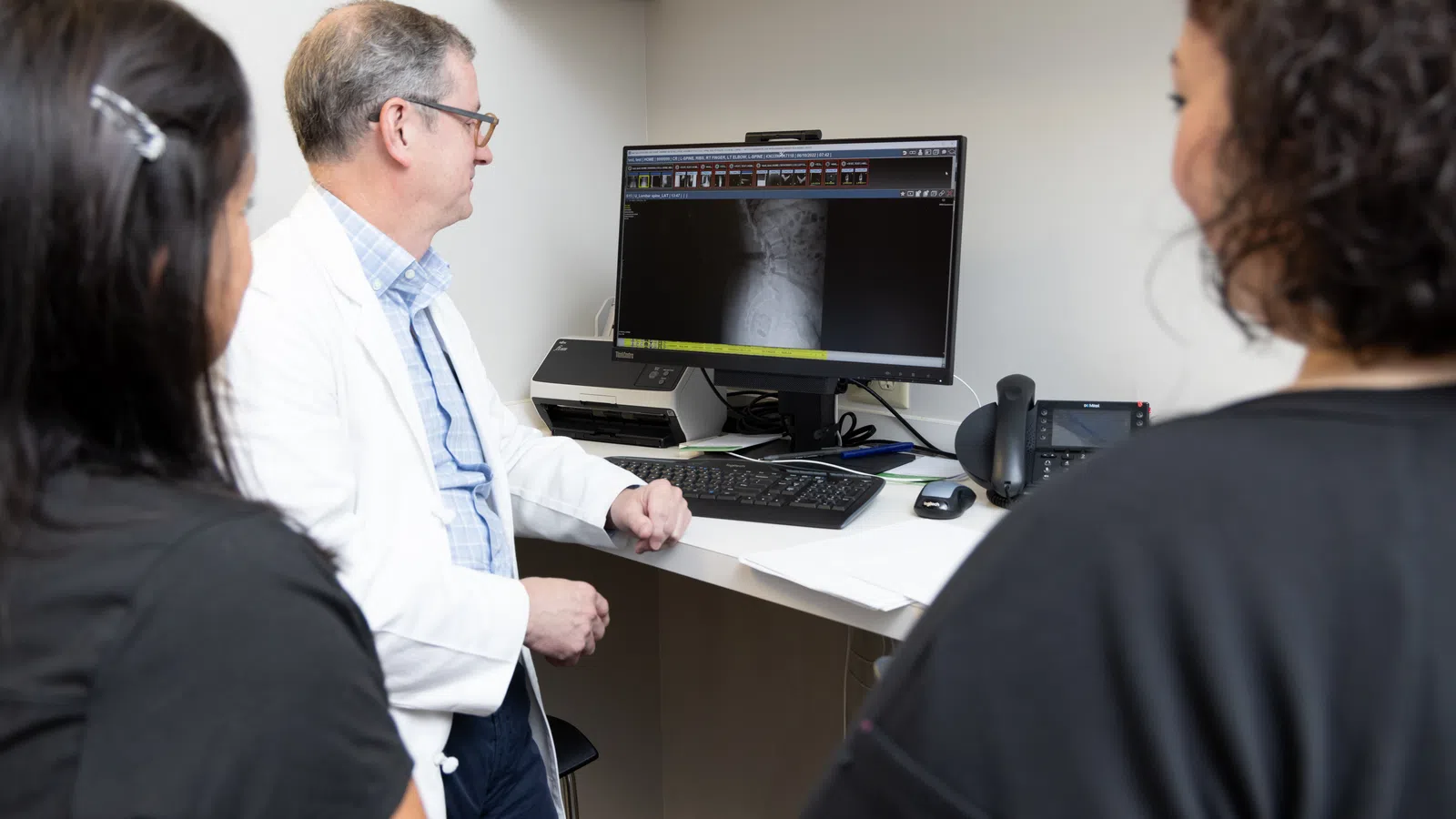
A physical examination allows the physician to assess joint stability, strength, range of motion, and areas of tenderness. Imaging studies such as X-rays or MRI may also be used to better understand structural changes in the joint or surrounding tissues.
Common Non-Surgical Treatment Strategies
Once the diagnosis is established, your OrthoSouth physician may recommend a variety of non-surgical approaches depending on the condition. These may include:
Physical therapy and rehabilitation
Targeted exercises can strengthen muscles, improve joint stability, and restore movement. Activity modification Adjusting certain activities can reduce stress on injured tissues while allowing healing to occur.
Medications
Anti-inflammatory medications may be used to help manage pain and swelling. Bracing or supportive devices In some cases, braces or orthotics can help stabilize joints during recovery.
Injection therapies
Various injection-based treatments may be discussed depending on the clinical situation.
Individualized Treatment Planning
Every patient's condition and goals are different. An athlete recovering from an acute injury may require a different treatment strategy than someone managing chronic joint symptoms. Orthopedic specialists tailor treatment plans to each patient's needs, taking into account age, activity level, overall health, and personal goals for recovery.
When Surgery May Be Considered
If conservative treatments do not provide sufficient relief or if the injury involves significant structural damage, surgical options may be discussed. Even in these situations, non-surgical treatments often play an important role in rehabilitation both before and after surgery.
Helping Patients Make Informed Decisions
The role of an orthopedic specialist is to guide patients through the full spectrum of treatment options, ensuring that each individual understands the potential benefits and limitations of different approaches. A thorough evaluation and open discussion allow patients to make informed decisions about their musculoskeletal health and recovery.
