
Platelet-Rich Plasma (PRP) in Orthopedics
Understanding PRP and Its Role in Orthopedic Care
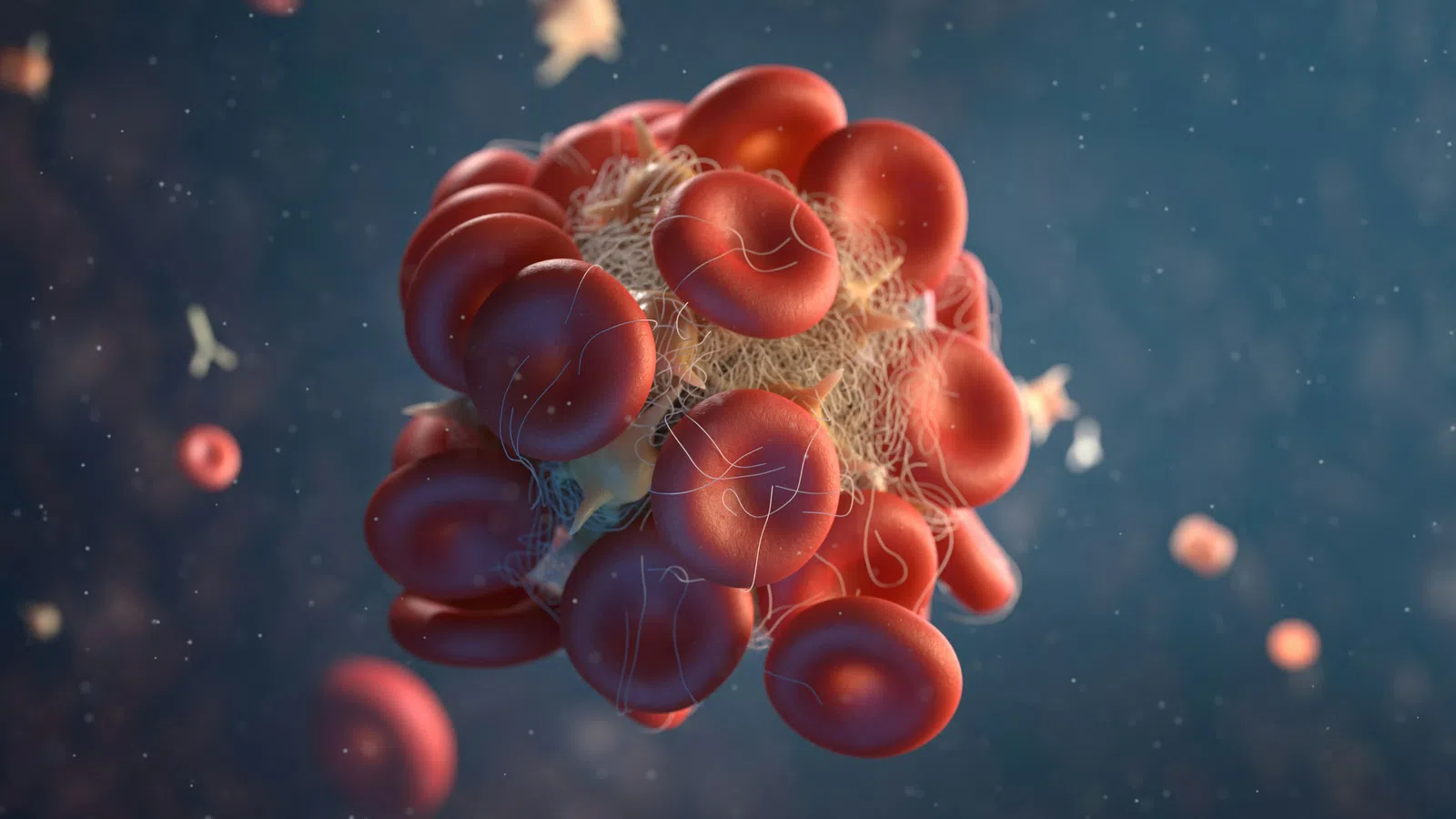
Platelet-rich plasma, often referred to as PRP, is a type of biologic therapy that has received growing attention in orthopedic medicine. PRP involves using a small sample of a patient's own blood that has been processed to concentrate platelets and other biologically active components. Because platelets contain proteins and signaling molecules involved in the body's natural healing processes, researchers and physicians have studied how these substances may interact with injured tissues.
Orthopedic specialists sometimes discuss PRP as part of a broader conversation about biologic therapies used in musculoskeletal care. These approaches focus on using substances derived from the body itself rather than traditional medications or surgical techniques.
What Is Platelet-Rich Plasma?
Platelet-rich plasma is created by drawing a small amount of blood from the patient and placing it into a centrifuge. The centrifuge spins the blood sample to separate its components, allowing physicians to isolate the portion of plasma that contains a higher concentration of platelets.
Platelets are best known for their role in blood clotting, but they also release growth factors and proteins involved in tissue signaling and healing responses. The resulting platelet-rich plasma preparation may be used in certain orthopedic settings under the guidance of a physician.
Why Patients Ask About PRP
Interest in PRP has grown in recent years as patients seek alternatives to surgery or long-term medication use for musculoskeletal conditions. Media coverage of professional athletes receiving biologic therapies has also contributed to increased public awareness.
Patients commonly ask orthopedic specialists about PRP when they are exploring non-surgical treatment options for joint pain, tendon injuries, or overuse conditions. In many cases, these conversations occur after conservative treatments such as rest, physical therapy, or activity modification have already been attempted.
How Orthopedic Physicians Approach PRP
Orthopedic physicians typically begin with a detailed evaluation before discussing whether biologic therapies may be appropriate. This evaluation may include:
-
A review of symptoms and injury history
-
Physical examination of the affected joint or structure
-
Imaging studies such as X-rays or MRI when appropriate
Based on this information, a physician may discuss a range of treatment options, which could include rehabilitation strategies, medications, activity modification, or surgical procedures. In some situations, biologic therapies may be part of that broader discussion.
What Patients Should Know
Research involving PRP and musculoskeletal care continues to evolve. While some studies suggest potential benefits in certain situations, evidence remains mixed across different conditions and patient populations. For this reason, orthopedic specialists often emphasize that treatment decisions should be individualized and based on a careful clinical evaluation.
Patients considering PRP should have an open discussion with their physician about the current evidence, potential risks, and realistic expectations for recovery.
Orthopedic Evaluation Is the First Step
If you are experiencing persistent joint or tendon symptoms, the first step is a thorough orthopedic evaluation. An OrthoSouth specialist can determine the underlying cause of your symptoms and discuss the full range of treatment options that may be appropriate for your situation.
