
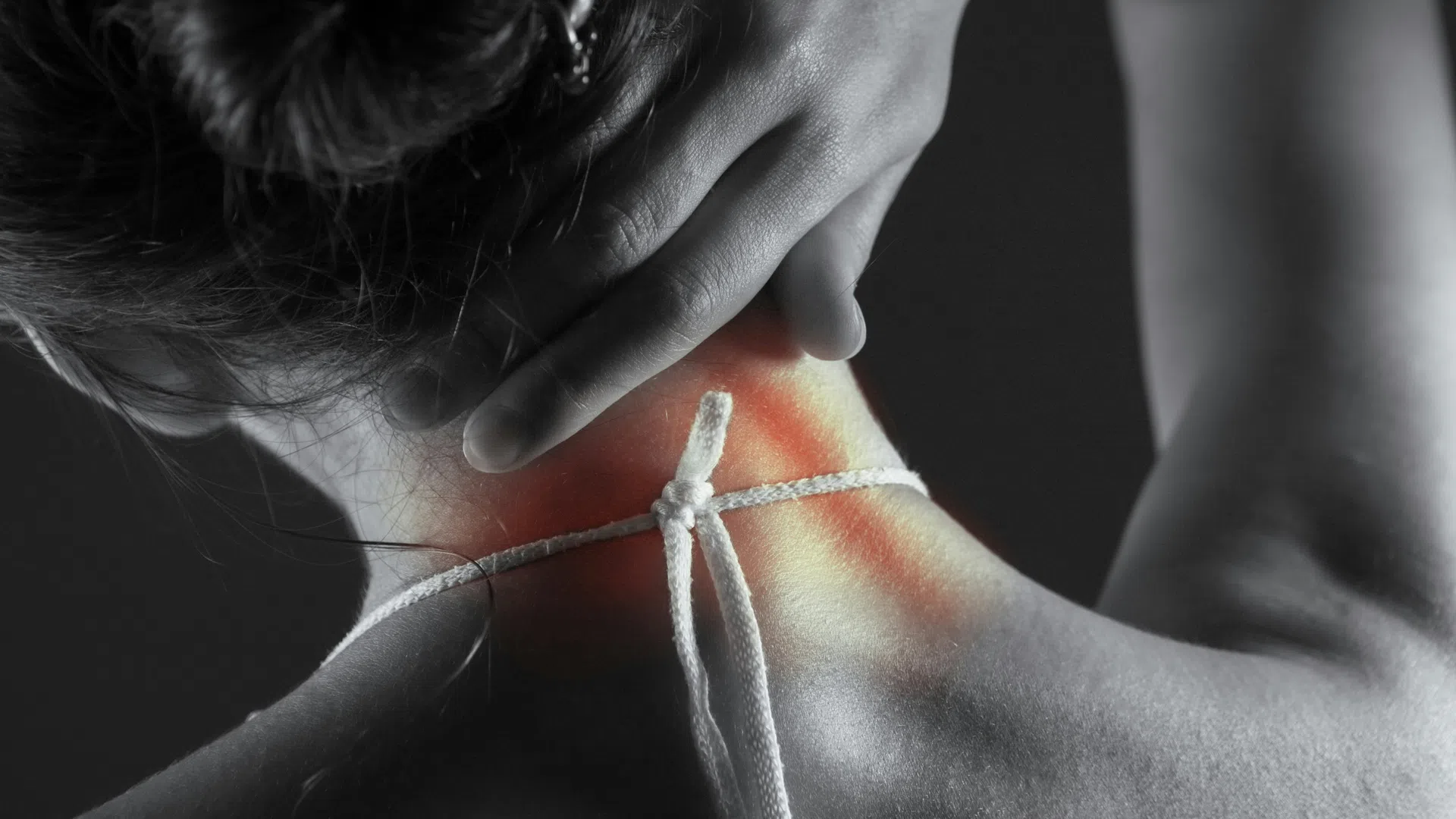
Common Neck and Cervical Spine Conditions
The cervical spine is the upper part of the spine in the neck. It supports the head, helps with movement, and protects the spinal cord and nerves that travel to the arms and hands. Because this area moves often and carries a lot of stress, it can be affected by injuries, wear and tear, and nerve problems. Common issues may include pain, stiffness, pinched nerves, and reduced range of motion. We help patients understand the cause of their symptoms and find the right treatment to get them back to daily life.
Explore common causes of cervical spine (neck) pain here.

Pinched Nerve
Pinched Nerve
A pinched nerve in the neck can cause pain, numbness, tingling, or weakness that may spread into the shoulder, arm, or hand. It often happens when a nerve is compressed by a herniated disc, bone spur, or swelling in the neck. If the pain does not improve, we can help diagnose the cause and create a treatment plan to relieve your symptoms.

Arthritis of the Neck
Arthritis of the Neck
Arthritis in the neck can cause pain, stiffness, and limited movement, but we can help diagnose the problem and create a treatment plan that supports your recovery.
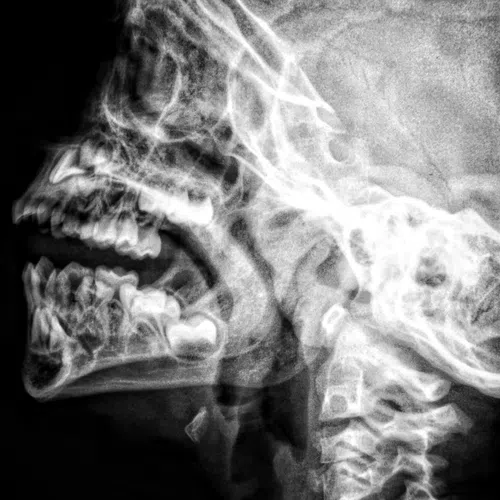
Spinal Cord Compression
Spinal Cord Compression
Spinal cord compression, also called spinal stenosis or a pinched spinal cord, happens when pressure builds on the spinal cord and can cause pain, numbness, weakness, or trouble walking.

Neck Sprains
Neck Sprains
A sprained neck can cause pain, stiffness, and limited movement, and we can help you get the right diagnosis and treatment so you can start feeling better.

Neck / Cervical Spine Fractures
Neck / Cervical Spine Fractures
Cervical spine fractures are serious neck injuries that can cause pain, stiffness, and nerve damage, so prompt evaluation is important.
